
If you need a strong password, asking AI might seem like a smart shortcut. Tools like ChatGPT and Copilot can generate complex-looking passwords in seconds.
But when it comes to security, AI isn’t the right tool.
Why AI-Generated Passwords Fall Short
AI systems rely on large language models (LLMs), which are designed to predict patterns—not create true randomness. Strong passwords depend on randomness to stay secure.
Research shows AI-generated passwords often include:
- Repeating structures and predictable patterns
- Occasional duplicates
- No repeating characters (a sign of rule-based output)
- Lower entropy (less unpredictability than truly random passwords)
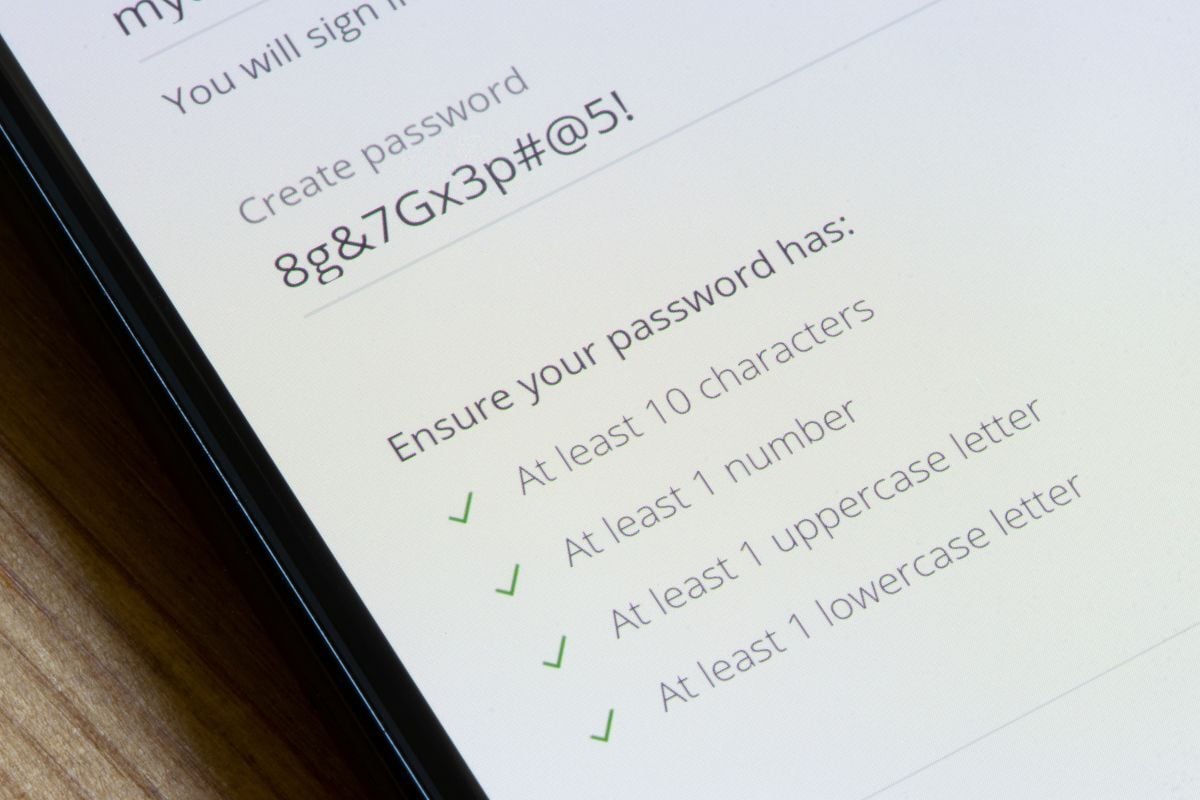
They may look secure and score well in online checkers—but they’re easier for attackers to crack.
The Problem with "Strong-Looking" Passwords
Password strength tools usually check for visible complexity (length, symbols, numbers). They don’t detect hidden patterns.
That means AI-generated passwords can pass the test while still being vulnerable.
What You Should Use Instead
How Eakes Office Solutions Helps
At Eakes Office Solutions, we help businesses take the guesswork out of cybersecurity. Our team can:
- Recommend and implement secure password management solutions
- Help your employees follow password best practices
- Strengthen your overall cybersecurity strategy
- Provide ongoing IT support to keep your systems protected
Whether you’re upgrading your security or starting from scratch, we make it simple to protect your business and your data.
Bottom Line
Key Points:
- Can AI generate secure passwords? No—AI lacks true randomness.
- Are AI-generated passwords safe? They can appear strong but often contain predictable patterns.
- Why is randomness important? It prevents attackers from guessing patterns in brute-force attacks.
- What’s the best solution? Use a password manager with a cryptographic generator.
- How can Eakes help? Eakes Office Solutions provides secure password tools, IT support, and cybersecurity guidance for your business.